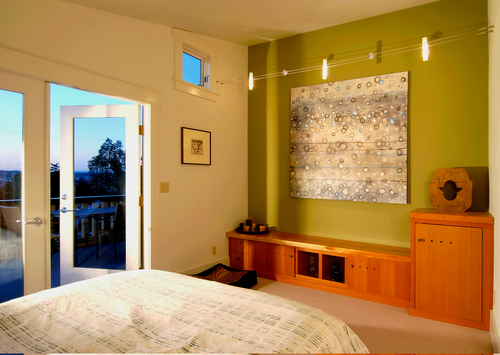
Wood is a medium of warmth and integrity. Historically, it has been used in building, decorating, and furnishing dwellings, as well as for sculptures, totems, and figurines. Almost all wood-using cultures have carved their wooden objects, making it seem a strangely universal human inclination. Wood artisans are generally called woodworkers. Within the realm of woodworking are many different techniques and skill sets, from using a lathe to carving. A wood art designer must know his or her materials well, taking into account the variables of wood type, wood characteristics, tools, and the possible shrinking and expanding of the medium itself. A wood's type will determine its qualities: color, texture, weight, and the direction its grains travel and in which it splits. Since wood comes with grains, knots, and unique characteristics, its appearance can play a large role in why it is chosen for a particular project. Woods characteristics range from birch's light-colored, fine-grained wood; to elm with its twisting grains; to walnut with its dark, tight-grained wood; to aromatic cedar; to soft, white fir; to the commercially popular pine; to the grandeur and grace of oak. The hardness of a wood will determine whether it is either appropriate or inappropriate for a certain piece of furniture, decoration, or sculpture. The artisan must also deftly understand their many tools and how, like different types of paint brushes, each will leave a different signature on the medium. A fascinating, living thing, seasoned wood changes its shape with temperature and humidity. A wood art designer must keep this in mind when planning out the dimensions of a piece of art.